The Pronunciation Test

Namekin Team
Editorial

TL;DR
If your shortlist includes a name with non-obvious pronunciation, show it written to people unfamiliar with it and see how many get it right. If most get it wrong the same way, you have a name that will be corrected often. Decide consciously whether the name's meaning is worth the ongoing correction burden, and adjust the spelling or rethink the choice if not.
Some names are read the way they are spelt. Others are not. A name like Saoirse or Siobhan has a specific pronunciation that people unfamiliar with Irish will not guess. That is fine if you are ready for it; it is a problem if you are not. The pronunciation test is how you find out which camp your chosen name falls into.
How the test works
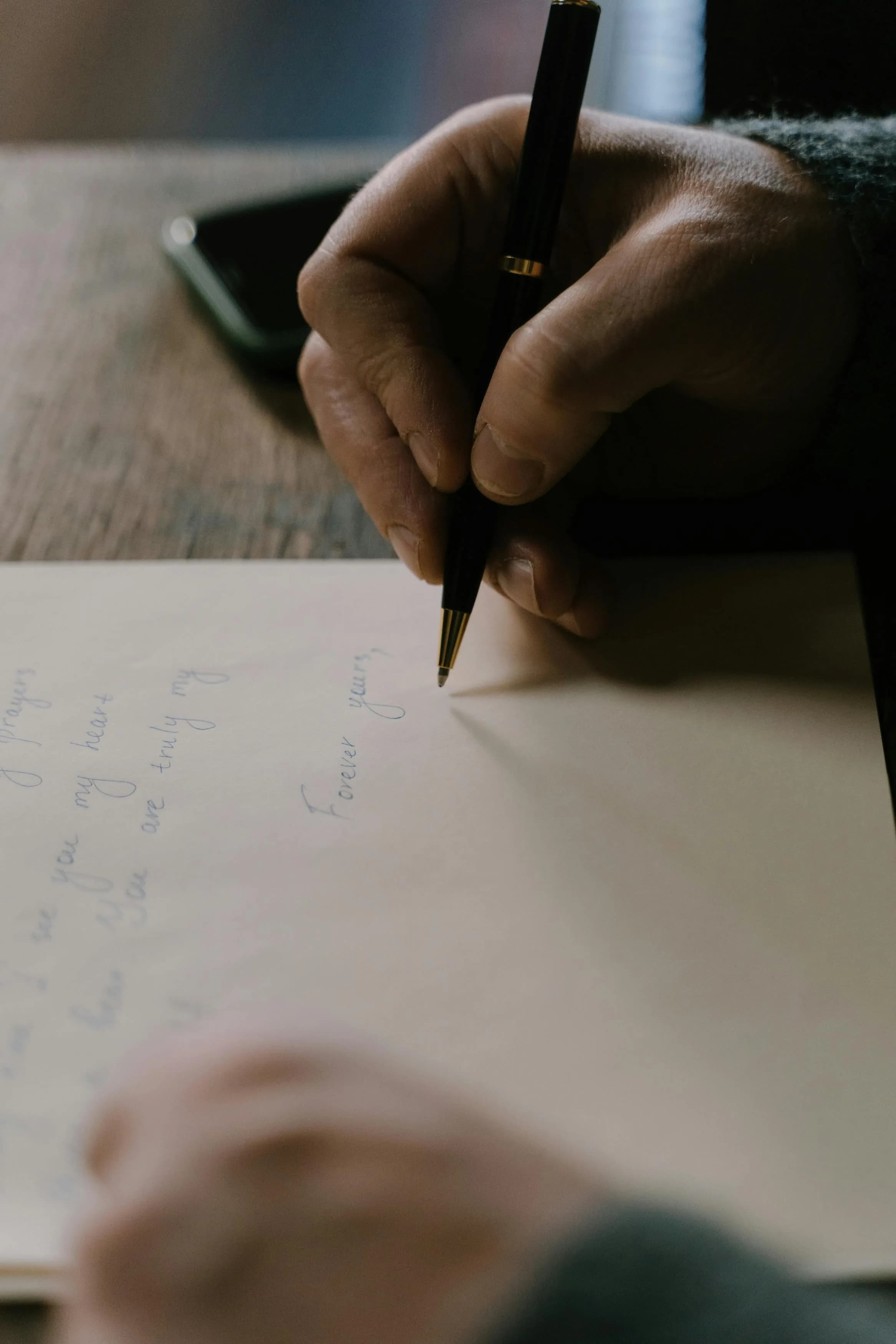
Write the name on a piece of paper. Show it, without context, to five or six people who have not heard your shortlist. Ask them to say the name out loud. Note how many get it right the first time, and how far off the wrong guesses are.
If everyone gets it right, you have a spelling that matches the sound. If most get it wrong in the same way, you have a name that is about to be corrected a lot. If everyone guesses differently, you have a name whose pronunciation is genuinely ambiguous.
Which outcome is acceptable
There is no right answer here; it depends on what you value. A name like Niamh is worth the ongoing correction if the name itself matters deeply to you. A name that is accidentally hard to say, with no strong reason behind the spelling, is a different matter.
Every correction is small. It is the thousandth correction, thirty years in, that tells you how much the name is costing your child.
The common failure modes
Pronunciation tends to break down in a few predictable ways:
- Silent letters that strangers pronounce anyway, as in Siobhan
- Vowels that vary by regional accent, like Tara or Mara
- Names that exist in two cultures with different pronunciations, like Adrian or Xavier
- Creative spellings of familiar names, where the spelling invites a new pronunciation
What to do with the result
If the pronunciation test reveals a problem, you have three options. You can accept the correction burden and commit, knowing what you are signing up for. You can adjust the spelling to match the intended sound, recognising that this changes the name's character. Or you can let the name go and pick something whose spelling speaks for itself.
None of these options is automatically right. But running the test means you choose consciously rather than discovering the problem only after the birth certificate is printed.