The 10-Point Baby Name Research Checklist

Namekin Team
Editorial

TL;DR
A baby name decision is mostly emotional, but a short, practical checklist can catch the awkward problems that only appear after you commit. This ten-point guide covers the sound tests, initial checks, online searches, nickname trials, and spelling reviews that together spare you years of second-guessing.
A baby name feels like an emotional decision, and it mostly is. But a short checklist of practical tests can make the difference between a name that fits for life and one that reveals an awkward issue six months in. These ten checks are the ones most worth running before you commit.
The full research checklist
Ten things to check before you commit to a baby name:
- Say the full name aloud five times in a row
- Check the initials to make sure they do not spell anything awkward
- Search the name online, including image search, for unwanted associations
- Test the most common nickname and make sure you love it too
- Check how the name sounds when shouted at a playground
- Write the name out by hand and see how it looks
- Imagine it on a professional email signature or CV
- Say it quickly and slowly, listening for unintended phrases
- Check pronunciation in multiple regional accents
- Confirm the meaning and origin actually match what you think they are
Why each check matters
Each item on the list targets a different kind of problem. Saying the name aloud reveals flow issues. Checking initials prevents teasing. The online search catches shared names with unsavoury figures. The nickname test is crucial because most children end up using the short form. The playground test stops you choosing something that disappears under noise.
The writing test
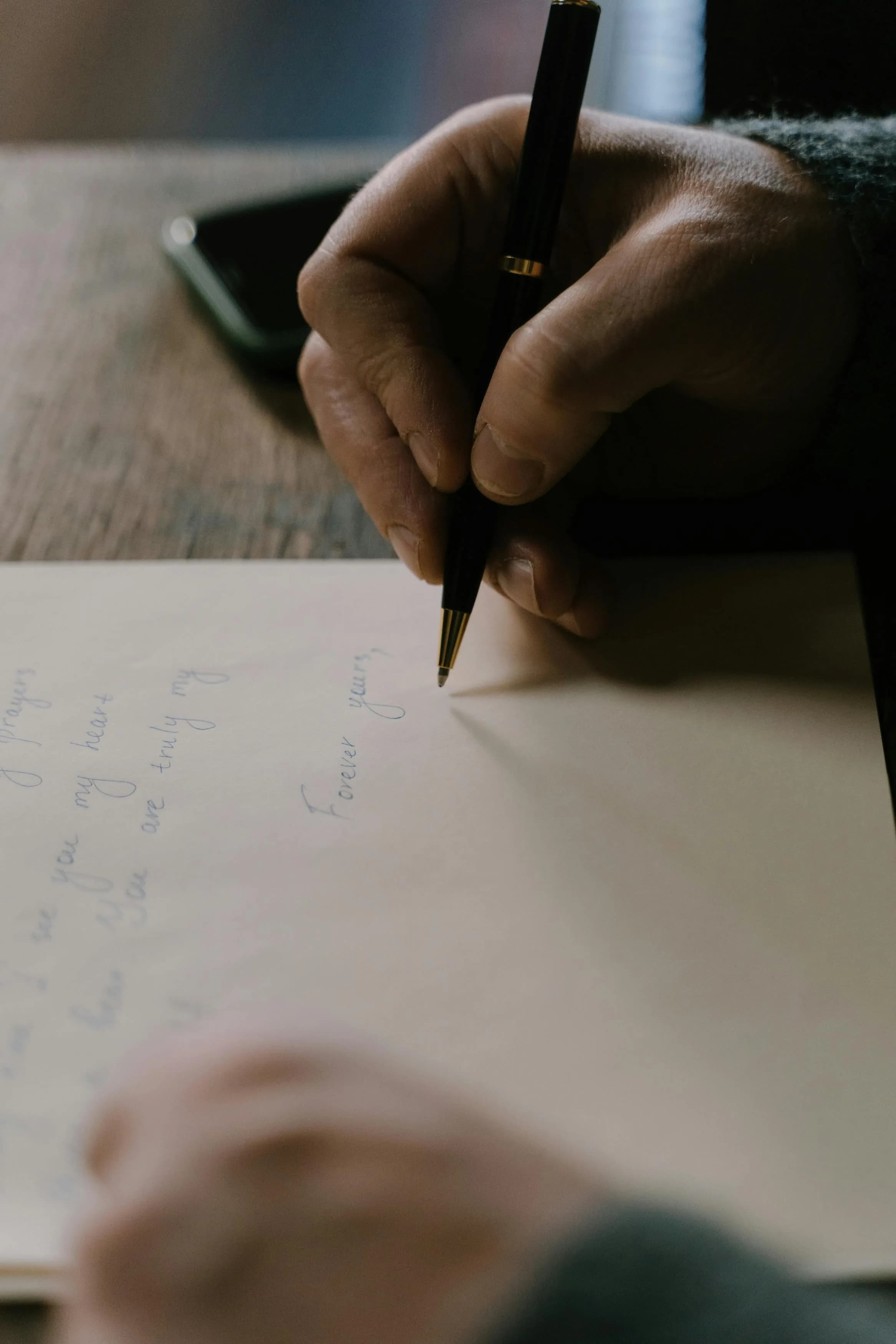
Handwriting a name is surprisingly revealing. Some names look beautiful on screen and awkward on paper. If the name you love looks strange in your own handwriting, that is worth noticing. Your child will write it thousands of times. It helps if they can do so without friction.
The boring tests are the ones that save you from boring regrets. Romance decides the shortlist. Practicality decides the final name.
The professional context test
Picture the name at age thirty. Imagine it on a business card, a CV or a formal email. A name that works beautifully on a baby should still work for an adult, whether your child becomes a lawyer, a DJ, a farmer or anything in between. If you can only imagine one of those roles, listen to that.
The meaning check
Many parents assume they know what their chosen name means. Verify it. Look up the origin in at least two sources. Some names have multiple competing meanings, and you want to know all of them. A name that sounds beautiful but carries a meaning you do not love can quietly undermine your confidence for years.
When to trust your instincts
Not every item on the checklist is equally important for every family. If a minor check flags an issue but your heart is fully committed, use your judgement. The list exists to make sure you have noticed the questions, not to veto the name. Your child deserves a name chosen with both research and feeling.
A ten-minute run through this checklist can turn a maybe into a confident yes. Whichever name survives it is almost certainly a name you can wear for a lifetime.