Solstice and Equinox Baby Names

Namekin Team
Editorial
TL;DR
The solstices and equinoxes are the year's astronomical turning points, celebrated in cultures across the world. From Sunniva at the summer solstice to Yulia in midwinter, Ostara at the spring equinox, or Mabon at the autumn turn, these names quietly connect a child to the rhythm of the year.
The solstices and equinoxes mark the year's astronomical turning points: the longest day, the shortest day, and the two moments when light and dark are in balance. These points have been celebrated in almost every culture on earth, and each has its own naming tradition.
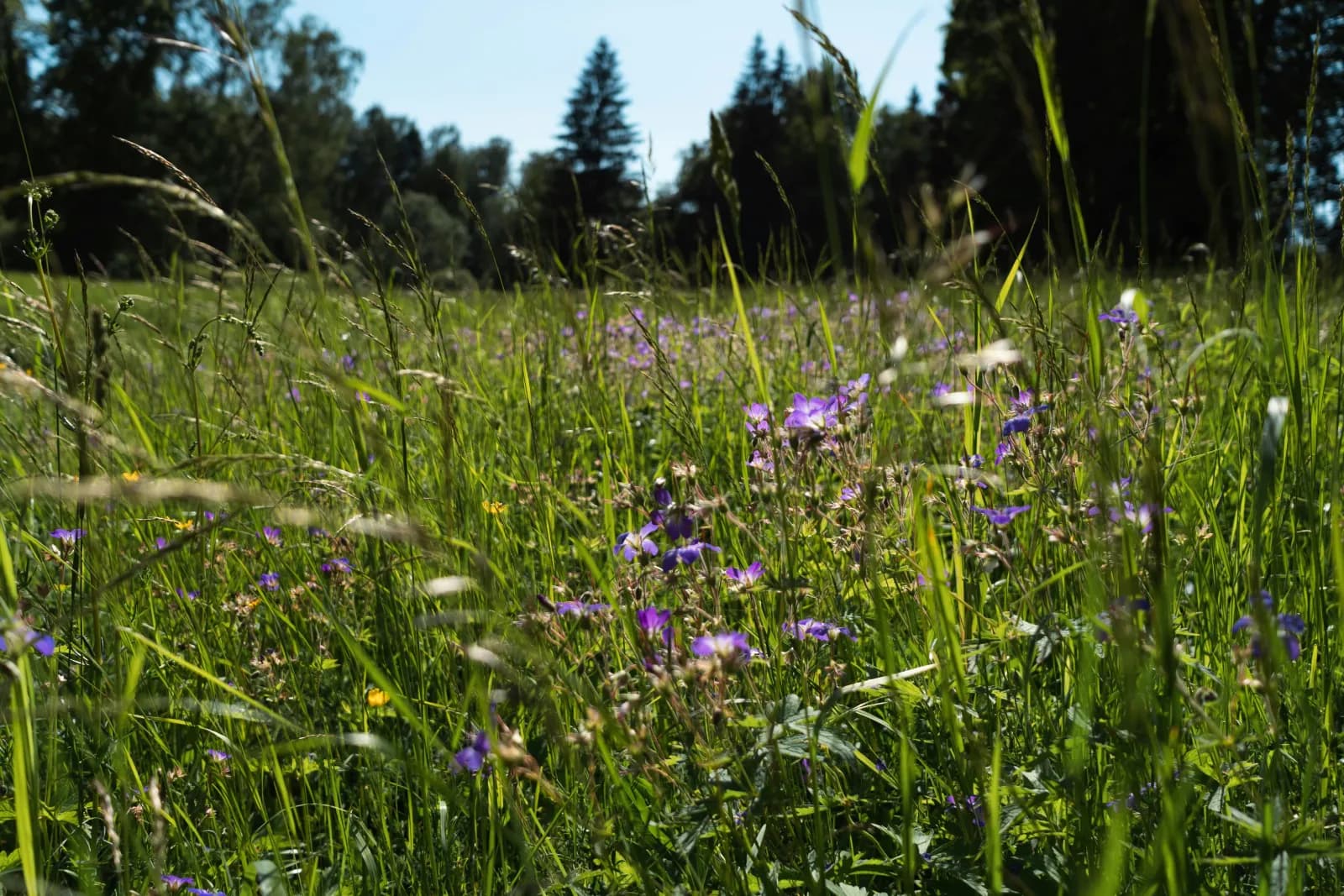
The summer solstice (June)
The longest day of the year, celebrated as Midsummer in northern Europe. Names drawn from this moment include Sunniva (Norwegian, meaning sun-gift), Solstice itself (rarely used), and the litha-associated Helios. In Shakespeare's play, Hermia, Helena, and Titania all fit the midsummer mood.
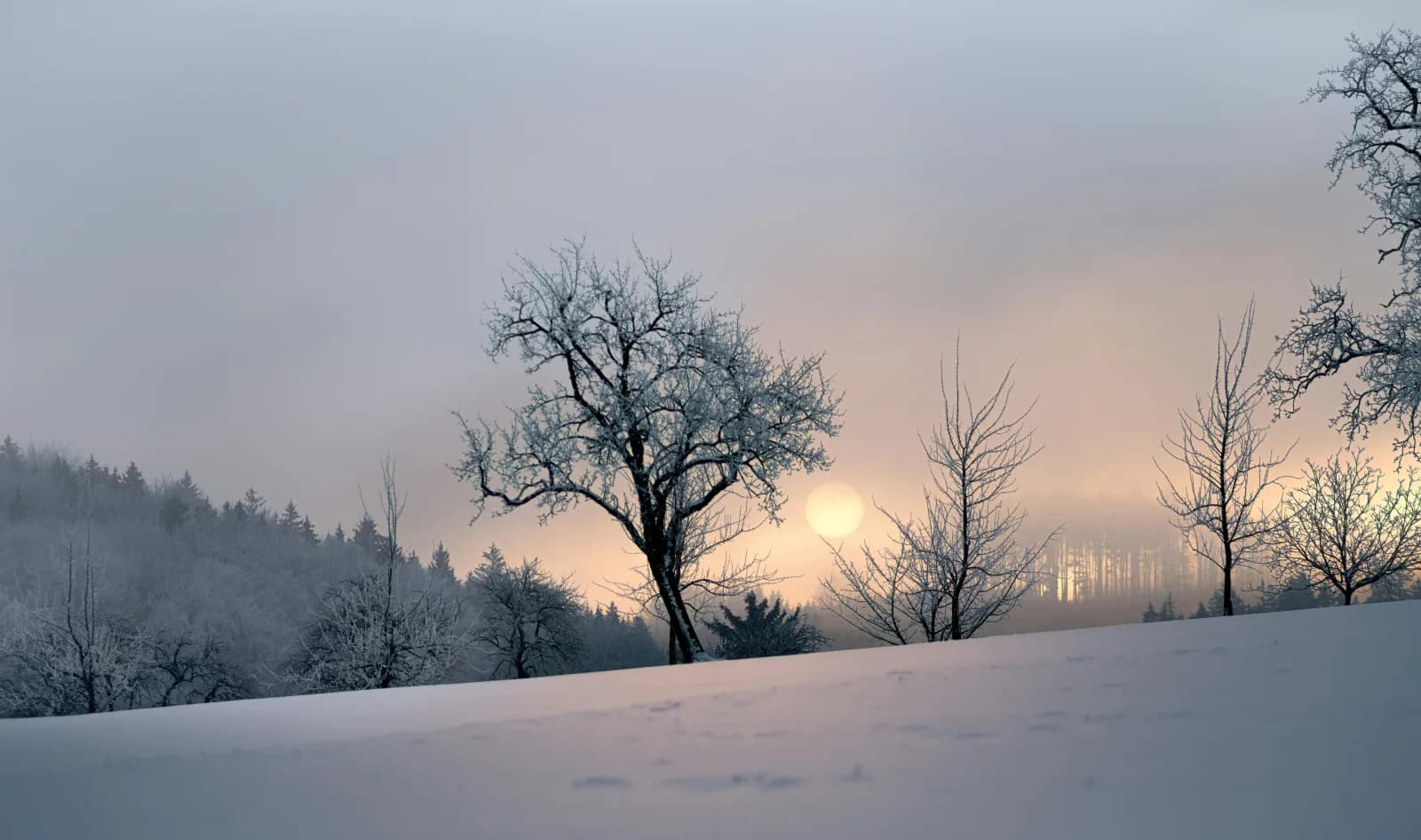
The winter solstice (December)
The shortest day and the return of the light, celebrated as Yule in Norse tradition and Saturnalia in Roman. Yule itself is rarely used as a name but gives us the gentle Yulia. Saturn and Sol Invictus (the unconquered sun) inspire names like Sol, Saturno, and the Latin Lux meaning light.
The solstices mark the moments when the year turns. A name drawn from them carries that turning quietly.
The spring equinox (March)
The moment when day and night balance, traditionally the start of the new year in many cultures. Persian Nowruz gives us the name Nowruz itself (rarely used) and the adjacent Navid meaning good news. Ostara, the Germanic spring goddess, has become a quiet name choice among those drawn to older traditions.
The autumn equinox (September)
The other moment of balance, when the harvest is at its peak and daylight begins its long retreat. Mabon is the Welsh name for this point; it is occasionally used as a name. Ceres, Demeter, and Persephone all belong to this moment. For boys: Harvest (rarely), Autumn, Mabon.
Cross-cultural names of balance
Names whose meaning echoes the equinox idea of equilibrium:
- Irene, meaning peace
- Salma, meaning safe and peaceful
- Siri, meaning beautiful victory
- Xia (Mandarin) meaning summer, Qiu meaning autumn
- Zaria, Slavic for dawn
The quieter thematic route
Solstice and equinox names do not need to announce themselves. A child born at the summer solstice might be given a name simply meaning 'light' (Clara, Lucia, Roshan). A winter solstice baby might carry the name Lux or Sol without ever needing to explain the astronomical reference.
The astronomical window
The exact date of each solstice and equinox shifts by a day or two each year. If your baby is born close to one, you have a natural anchor for a thematic name. If you miss the exact date, the feel of the season usually still carries the name.
These names are quiet gifts: they tie the child to the rhythm of the year without constraining them to a specific tradition.