September Baby Names: The Quiet Case for Autumn Naming

Namekin Team
Editorial

TL;DR
September births invite a specific naming register: warm, textured, unfussy, quietly earthy. This piece covers the names that carry that autumn feeling well without overdoing it, the seasonal-name choices to avoid (too literal, too costume-shop), and how to use the season as inspiration without letting it dictate the whole choice.
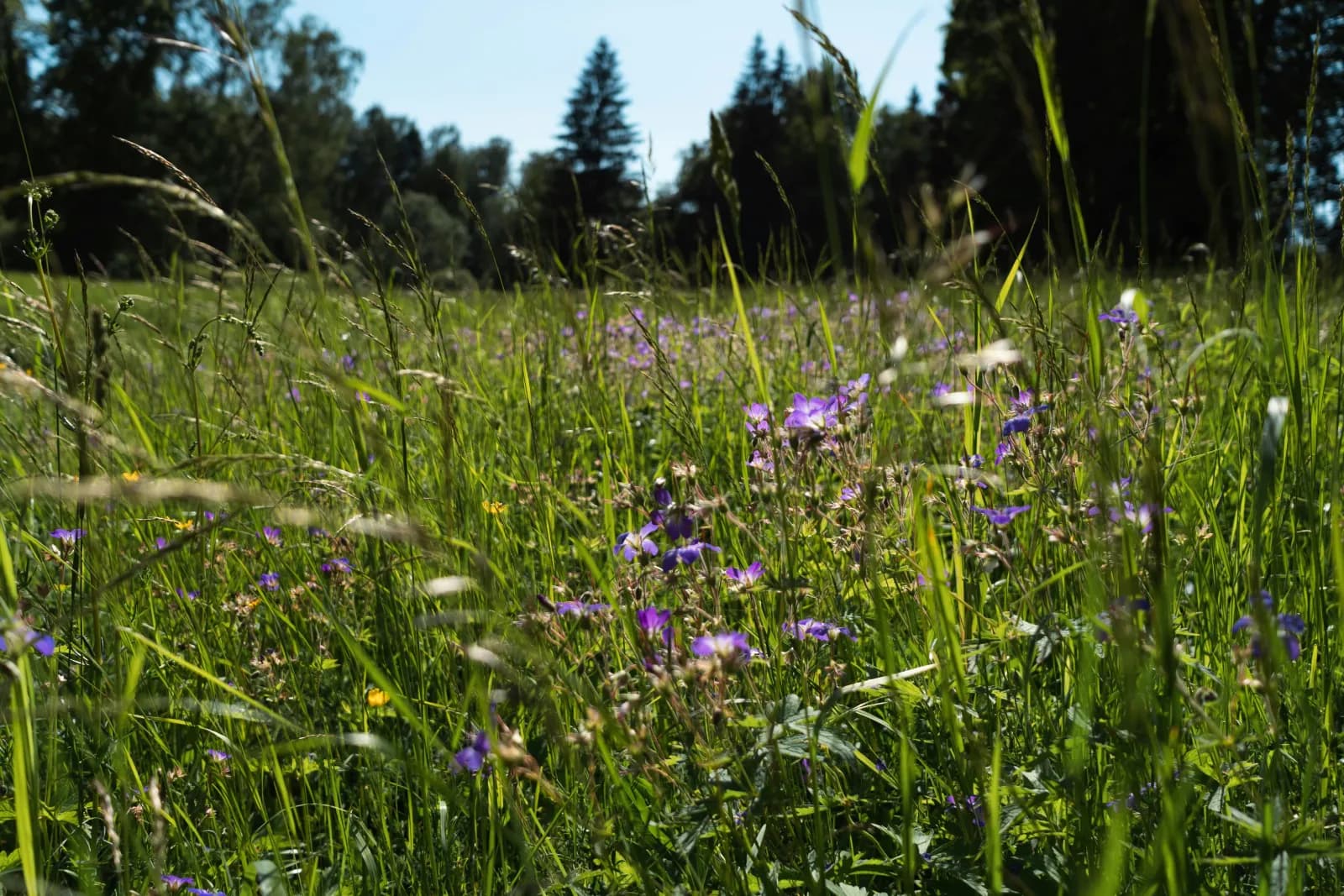
A September birth carries a specific mood the wider naming culture rarely names cleanly. The light has just started to change. The heat of summer is easing into the first cool mornings. The trees are still green but the first hints of amber and gold are showing at the edges. There is a quality of shift in the air, of one season handing over to another. For families expecting a September baby, this mood is often quietly present in the naming conversation, even when the parents haven't explicitly framed the shortlist around the season.
This piece is about how to use that mood well. Not as a literal reference (the child does not need to be called September or Autumn unless you specifically love those names) but as an inspiration layer that shapes the register of the shortlist. The strongest seasonal naming reaches for names that carry autumn energy without needing to explain themselves. Warm-toned, textured, unfussy, quietly grounded. Names that would work perfectly well for a spring baby too, but that carry a specific extra warmth when given to a child born as the leaves are just starting to turn.
What September actually sounds like in a name
The naming register that matches a September birth has three quiet features. First: warmth of tone. Names dominated by long open vowels (Amber, Hazel, Autumn, Oscar) or by soft consonants (Rowan, Iris, Wren) carry a warmth that matches the light of the season. Cooler-sounding names (crisp consonants, short sharp vowels) can feel out of step with the mood, though they work perfectly well if the parents just love them. The thinking we covered in Why Some Baby Names Feel Warm and Others Feel Cool is directly relevant: September is a warm-register moment.
Second: texture. September isn't smooth; it has depth, shadow, and layered light. Names with a bit of texture (hard consonants inside soft ones, or short forms with rich internal sound like Beatrix, Cassius, Rowan) match the season better than smoother polished names. Third: unfussiness. September has an unpretentious warmth. Names that carry that quality (Bear, Oscar, Wren, Amber, Hazel, Rowan) land as September-appropriate; names that read as high-formality or heavily performative sit slightly outside the season's mood.
The direct-reference names
Some names reference September or autumn directly. Autumn is the clearest example, and it's currently landing well in modern usage. Amber references the colour and stone associated with the season. Aster is the September flower. Sapphire is the September birthstone. Some parents love these direct connections; others find them slightly too literal. Both responses are legitimate.
The check for direct-reference names is whether they work equally well when the child is thirty and it isn't September. An Autumn who's proud of her seasonal name at seven is often equally proud of it at thirty; the name carries the connection lightly. An Autumn who feels stuck with a costume-shop association may quietly prefer to have been given a less literal name. Most direct-reference names in the September register are wearable across a life, but the check is worth doing before committing. The thinking in Names That Age Well: A Practical Guide From Baby to Boardroom applies here.
The mood-not-reference approach
The stronger approach for most families is to let September inspire the register rather than the specific name. Choose names that carry autumn's warmth, texture, and unfussiness without needing to explain the seasonal connection. Hazel, Rowan, Wren, Oscar, Bear, Iris, Poppy, Cassius, Beatrix, Sage, Fern, Otto. Each of these names carries September mood in different ways: earthy, warm-toned, textured, unpretentious. The child inherits the mood without carrying the reference.
This is the same principle we covered in the wider nature-names piece: names that carry natural texture without being literal descriptions age better than direct references. A Hazel is a hazel tree in September (fruiting, warm-toned, textured) without being called Autumn. A Rowan is a rowan tree in September (heavy with red-orange berries) without being called September. The mood transfers; the name stands on its own.
The specific pool for September
For families actively wanting names with autumn resonance, a specific pool sits at the intersection of warm register, texture, and gentle seasonal connection. For girls: Hazel, Iris, Poppy, Rowan, Autumn, Amber, Aster, Sapphire, Fern, Beatrix, Cordelia, Marigold. For boys: Oscar, Bear, Cassius, Rowan, Otto, Rufus, Alder, Ash, Wolf. For either: Rowan, Wren, Sage, Ash, Fern, Marlow.
The list isn't prescriptive. It's a starting point. Any of these names carries September energy in some form, and picking one for a September baby gives the child a small quiet connection to their season without any of them being defined by the connection. The child's name works standalone. The seasonal resonance is a gift held in the background, available whenever the family wants to point at it, invisible otherwise.
September-resonant names for girls:
- Hazel — nut tree, warm-toned, textured
- Iris — September flower goddess, textured sound
- Poppy — warm-red, quietly seasonal
- Autumn — direct reference, warm-worn
- Amber — September stone, warm-toned
- Rowan — tree fruiting in September, unisex
- Aster — September flower
- Beatrix — warm-textured classic
- Cordelia — grounded, warm, formal
- Marigold — direct autumn colour reference
September-resonant names for boys:
- Oscar — warm, unfussy, textured
- Bear — grounded, September energy
- Cassius — textured, warm-consonanted
- Rufus — literally means red-haired, warm-toned
- Otto — warm and grounded
- Ash — tree name, autumn resonance
- Alder — tree, autumn colour range
- Wolf — grounded, textured
- Rowan — tree fruiting in September
- Marlow — landscape name, autumn light
What to avoid
Some seasonal-naming instincts to gently steer around. First: the too-literal name that only works because of the season. Names built entirely from a seasonal object (like Pumpkin or Harvest) function as costume-shop rather than as names. If you find yourself considering one, sit with it for a few weeks and check whether it still works when the season isn't visible. Second: heavily coordinated seasonal name pairs for twins or siblings (Autumn and Amber, September and October). These read as themed set rather than as individual names, and the coordination is one of the failure modes we cover in Sibling Name Rules: Real Ones vs Fake Ones.
Third: the birthstone or flower name chosen only because of the birth month. Sapphire and Aster are beautiful names, but they need to also work on their own merits. If you love the name independent of its September connection, the seasonal note is a bonus. If you're picking it primarily because it happens to be the September stone, the name is being over-worked by the seasonal frame. Fourth: names that reference a very specific and culturally-heavy autumn event (Michaelmas, Harvest, etc.) that will follow the child through life. Most families find the direct-reference load too much once they've considered it for a few weeks.
The wider naming still runs
One thing worth naming clearly: seasonal inspiration doesn't override the rest of the naming process. Even a September-resonant name has to pass the same tests any other name does. Does it work with the surname? Does it age across a life? Does it survive the picturability test? Do both parents love it? Is it strong on its own merits? Seasonal inspiration is a layer that shapes the register of the shortlist; it doesn't replace the full evaluation. The thinking in How to Test a Baby Name Before You Commit applies to every candidate, seasonal or not.
For families with a September baby coming, the wider suggestion is simple. Let the season inspire the mood of your shortlist rather than dictate the specific names. Reach for warm, textured, unfussy choices that would work for any baby but carry an extra quiet warmth for one born in the light of early autumn. The child inherits a small connection to their season, held lightly in the background of their name, available whenever the family wants to point at it and invisible otherwise. That combination is one of the strongest ways to use a birth season in naming, and it produces names that stand on their own for a lifetime.
For the wider naming framework, our nature-names piece, the warm-cool register piece, the heavy-light register piece, the ageing-well guide, the testing framework, and the wider Spring-birth companion piece May-Born Baby Names: Spring Light all sit alongside this one. Together they cover the wider mechanics of using seasonal inspiration well and picking names that carry mood without being reduced to it.