When Your Partner's Name Idea Grows on You

Namekin Team
Editorial
TL;DR
Most baby-name advice focuses on initial gut reactions, but a quieter pattern matters more: the partner's suggestion that slowly grows on you over weeks or months. The shift is real, not just settling, and there are specific reasons it happens. Knowing how to tell genuine warming from worn-down compromise makes the shortlist conversation kinder and the final choice more confident.
Most baby-name conversations focus on the first hearing. You like a name or you don't. You add it to the shortlist or you cross it out. The wider naming advice tends to treat that initial reaction as the truth, with everything that follows just being negotiation. The honest pattern is more interesting. Plenty of parents end up using names they initially didn't like, and end up loving those names. The shift from a polite no to a genuine yes happens quietly, often over months, and almost always to the surprise of the person who once said no.
This isn't settling. It isn't being worn down. There are real reasons a name can grow on you, and recognising the pattern matters for two reasons. First, it makes the shortlist conversation kinder, because both partners can hold suggestions in the air longer instead of killing them on the first reaction. Second, it makes the final choice more confident, because you can tell the difference between a name that has genuinely earned its place over time and one you've just stopped objecting to. Those two things look similar from the outside and feel very different from the inside.
Why baby-name preferences shift
Familiarity is the quiet engine of name preference. Names that feel "normal" to you mostly feel that way because you've heard them before. Names that feel strange usually feel that way because you haven't. This is why generations cluster: a name common in 1985 sounded normal then and sounds dated now, not because the sound itself changed but because your ear has heard it many fewer times in the last decade. The same effect runs in miniature inside your own household. A name your partner says once is unfamiliar; a name they've said weekly for two months is part of your sound landscape. The brain quietly stops flagging it as strange.
On top of that, the person saying the name carries weight. Hearing your partner repeatedly suggest Cassian or Maeve or Hugo attaches their voice and their warmth to the name. The name acquires associations: their excitement, their reasoning, the moment they first told you why they loved it. These soft attachments are real and they shift preference in a way that is not the same as being convinced by argument. You haven't changed your mind through reasoning. The name has simply become more *yours* through repeated, affectionate exposure. This is similar to what we covered in Reading Baby Name Popularity Without Getting Misled: familiarity is what makes a name feel mainstream, and familiarity inside a relationship works the same way.
Picturability: the cleanest test
The most useful question to ask yourself at any point in the process is: can I picture the child with this name? Not the bump. Not the abstract baby. The specific toddler running into a kitchen, the seven-year-old being called in from the garden, the teenager introducing themselves. If the name slots into those scenes and the scenes still feel right, the name has likely earned a real place in your head. If the scenes feel hollow or you keep substituting in a different name when you imagine them, the name probably hasn't landed yet.
This test does most of the work of distinguishing genuine warming from being worn down. A name that's grown on you genuinely will picture cleanly. A name you've stopped objecting to but never actually warmed to will picture awkwardly, with effort. The picturability test is what we recommended in How to Test a Baby Name Before You Commit and it does the same job here. If the test fails consistently at month five, that's information your partner deserves to hear. If it succeeds, you can move forward with a real yes rather than a tired one.
How to give a name fair time to grow on you
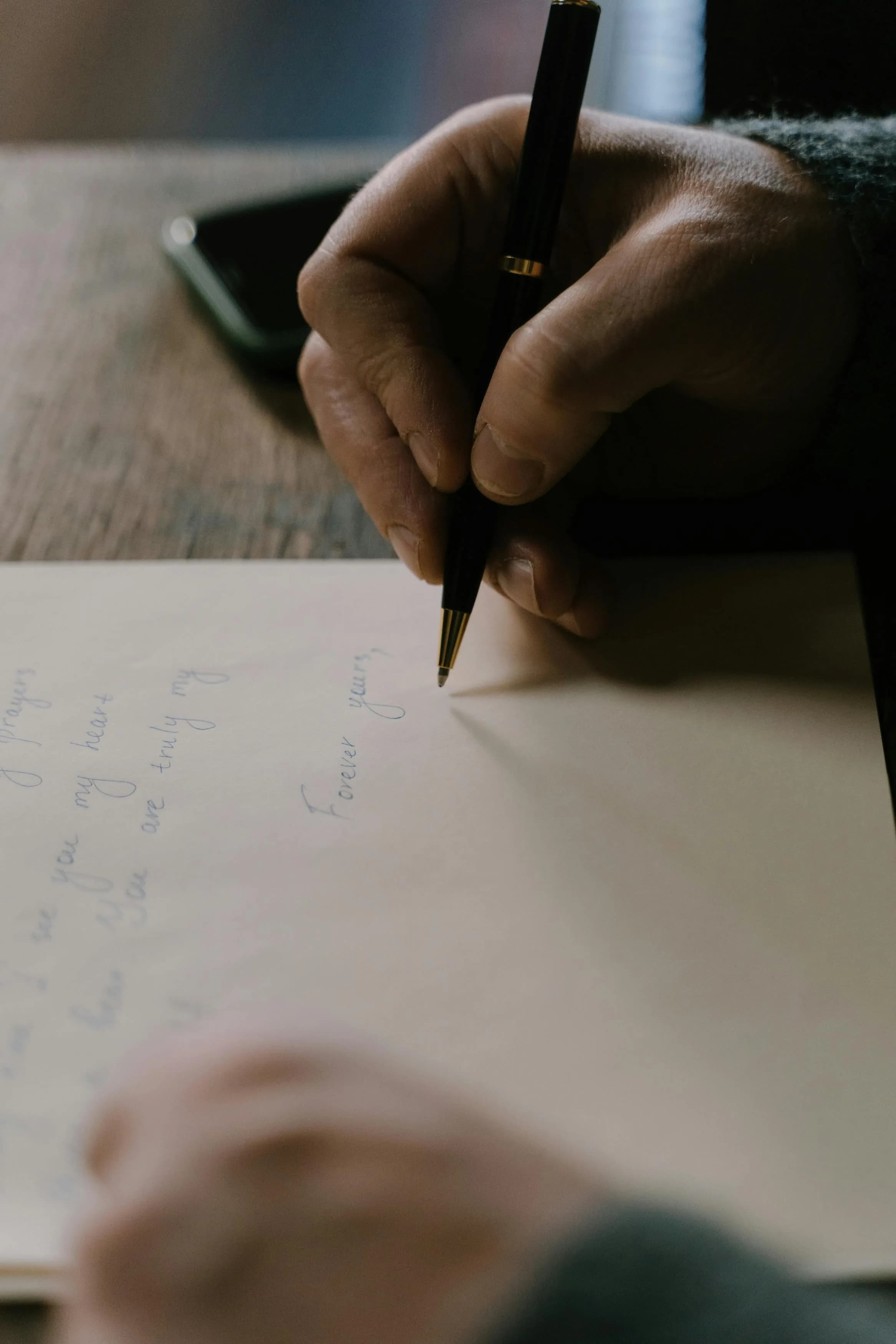
If your partner is attached to a name you don't immediately love, the kind thing (for both of you) is to give the name enough exposure to do its work. Quiet, repeated, low-stakes use across daily life. Refer to the bump by the name in private conversation. Write the name down. Say it paired with the surname out loud, several times. Try the diminutives. Try it in the imagined kitchen-calling scene mentioned above. Notice over weeks whether the name has started to feel like the child's name or whether it still feels like a candidate you're auditioning.
Crucially, do this without the pressure of a decision sitting on top of it. A name being asked to win an argument never wins fairly. A name being lived with for a few weeks often wins on its own. The thinking we covered in Name Disagreement With Your Partner is about the explicit conversation; this piece is about the quieter background process that happens alongside it. Both matter, and they work best in combination.
Signals the name is genuinely growing on you:
- You catch yourself saying it without prompting
- You can picture the toddler version of the child clearly
- Small positive associations are forming (a sound you like, a meaning that's stuck)
- Pairing it with the surname feels right rather than tested
- Diminutives feel natural to say out loud
- You stop comparing it to your own favourite
- Hearing the name elsewhere feels nice rather than neutral
Signals you're being worn down rather than warming up:
- You've stopped objecting but you can't picture the child
- The name still feels like your partner's choice, not a shared choice
- You feel flat about it rather than warm
- You'd be quietly relieved if a stronger contender appeared
- You can't honestly imagine saying "I love it" to someone asking
- Pairing with the surname still feels awkward
- You're privately hoping a different shortlist name overtakes it
If their idea hasn't grown on you by week 24
Genuine warming usually shows itself by the late second trimester. If you've sat with the name fairly, used it out loud, paired it with the surname, and it still feels wrong somewhere around week 24 to 28, the gentle no is usually the right answer. This is not a failure of effort or open-mindedness. It's the same useful information you'd want about any other name on the shortlist. The kind way to deliver it is to be specific ("the sound with our surname still doesn't sit right for me", or "I keep picturing a different name when I imagine her"), so the partner who loved the name understands what specifically didn't land, rather than feeling vetoed for no reason. The thinking in Late Pregnancy Name Switches: When to Change, When to Stick covers what to do if the shift happens even later than that.
If their idea did grow on you, say so
This is the small detail that matters more than parents expect. If a name has genuinely grown on you over months, tell your partner. Plainly and warmly. "It wasn't my favourite when you first said it, but now I can't imagine her with anything else." The partner who carried the name through the cool weeks will remember the sentence. It also sets up a small family story the child will eventually hear about how their name came to be. Children love hearing that their name was loved, by both parents, fully. The version where one parent quietly conceded is not as good a story as the version where one parent came round and said so.
The wider point is that initial reactions to baby names are noisier than the wider naming culture treats them. A first-hearing no is information, but it isn't the verdict. Some names earn their place slowly, through repeated, affectionate exposure, and end up loved more deeply than the names that landed cleanly on day one. Knowing the pattern lets you give names time, lets you tell warming from compromise, and lets the final choice be a real shared yes rather than a polite truce.
For the wider naming framework, our partner-disagreement piece, the testing framework, and the practical guide on ageing names well all sit alongside this one. And if you're struggling with your own naming history shaping the conversation, Picking a Baby Name When You Don't Love Your Own covers the other half of the same emotional terrain.